Delhi University in 2026 with insights on academics, admission patterns, leading colleges, student culture, and campus facilities.
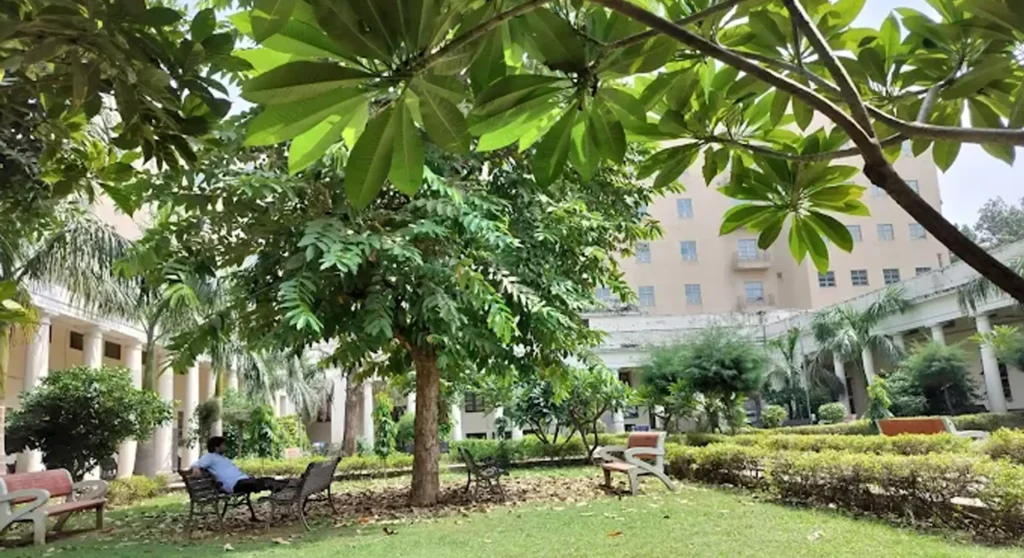
Introduction to Delhi University
The University of Delhi was established in 1922 by an Act of the then Central Legislative Assembly and has grown into one of India’s largest higher education institutions. It started with just three colleges and about 750 students but today comprises 16 faculties, more than 80 academic departments and over 80–90 affiliated colleges serving several lakh students in multiple modes of study.
As a public central university, Delhi University enjoys national importance and recognition from bodies such as the University Grants Commission (UGC), and it has been accredited with high grades by NAAC and identified as an Institute of Eminence. The university is spread across multiple campuses—primarily North Campus and South Campus—with additional colleges located in off‑campus locations, making it a truly city‑wide academic ecosystem.
DU is renowned not only for its academic programs in arts, commerce, science, law, management and social sciences but also for its dynamic student culture, societies, political engagement and placement opportunities. For aspirants searching “Delhi Univercity” or “Delhi University,” understanding its structure, admission process, and related institutions is essential before planning applications and career paths.
Is Delhi University a Central University?
A very common query among aspirants is: “Is Delhi University a central university?” The answer is yes—Delhi University is officially classified as a Central University under the Indian higher education system. It was established by an Act of the Central Legislative Assembly, and its funding and regulation fall under the purview of the Central Government and national regulatory bodies like the UGC.
Being a central university means DU enjoys a special status, wider national reach, and often better funding and infrastructure compared to many state universities. It also implies that its degrees and evaluation standards are widely recognized across India and abroad, which significantly boosts the value of a DU degree in the job market and for further higher studies.
The central university status also influences the governance structure of Delhi University, including the roles of the Visitor (usually the President of India), Chancellor, Vice‑Chancellor and various statutory bodies. For students, this status translates into competitive admissions, standardized curricula and strong nationwide prestige, making “Delhi University” one of the most searched higher‑education keywords in India.
Delhi University Overview and Highlights
Delhi University offers a diverse portfolio of undergraduate, postgraduate, doctoral and certificate programs across more than 18 broad streams. The university has 16 faculties and over 80 departments that collectively design and run courses in disciplines such as humanities, social sciences, natural sciences, commerce, law, education, technology, management and more.
Student enrollment at DU runs into several lakhs when regular, part‑time and distance modes are combined, making it one of the largest universities in the country. DU’s colleges and departments have consistently featured in national ranking frameworks like NIRF, with multiple constituent colleges figuring among the top institutions in India for undergraduate education.
Among the notable highlights, DU is recognized as an Institute of Eminence, has high NAAC accreditation (A++ in recent assessments), and maintains extensive collaborations in research and student exchange. The presence of specialized centers such as the Delhi School of Economics and the Delhi School of Social Work further enhances its academic reputation.
Delhi University Campus Structure
Delhi University operates through multiple campuses and affiliated colleges distributed throughout the National Capital Territory of Delhi. The two primary campuses are North Campus and South Campus, both of which host a cluster of colleges, departments, hostels and administrative offices.
North Campus, located in the northern part of Delhi, is often considered the academic heart of DU and houses some of its oldest and most iconic colleges. South Campus, situated near Dhaula Kuan on Benito Juarez Marg, was established as part of the expansion plan and provides a comparatively greener and more relaxed environment while maintaining strong academic standards.
Beyond these, DU’s affiliated colleges and centers are also spread across East and West Delhi, forming what many sources describe as four broad campus zones—North, South, East and West. This city‑wide presence allows students from different regions of Delhi to access DU’s academic ecosystem, while still belonging to a unified central university structure.
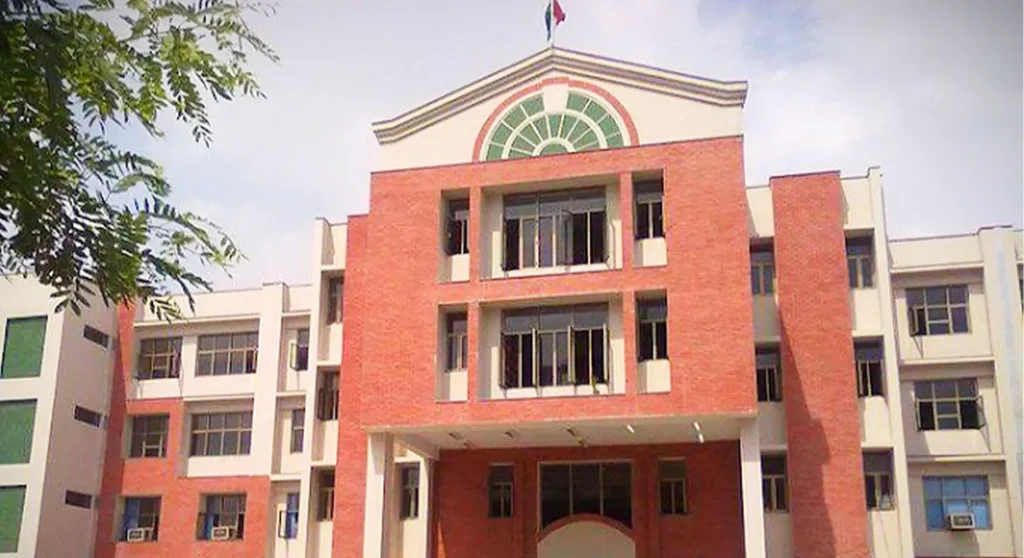

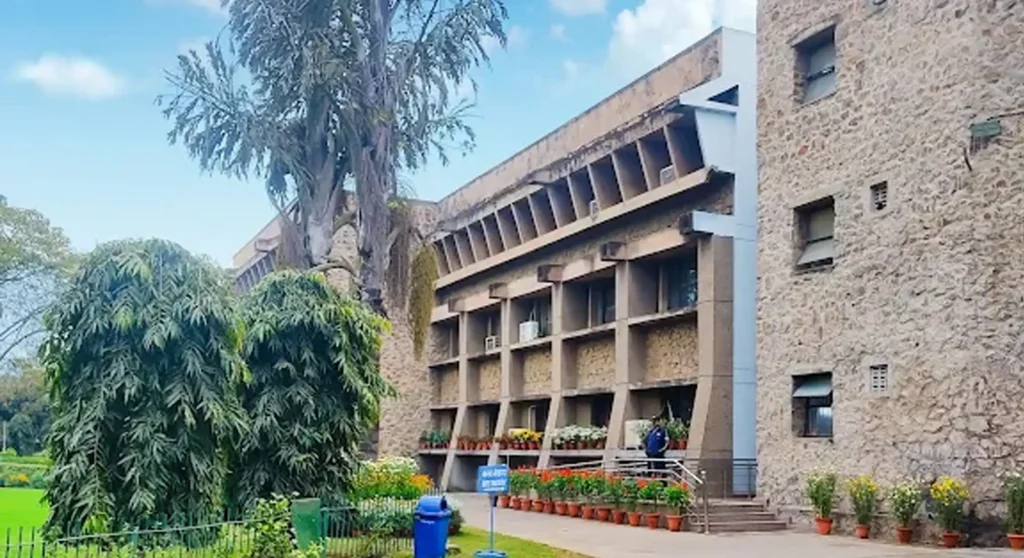
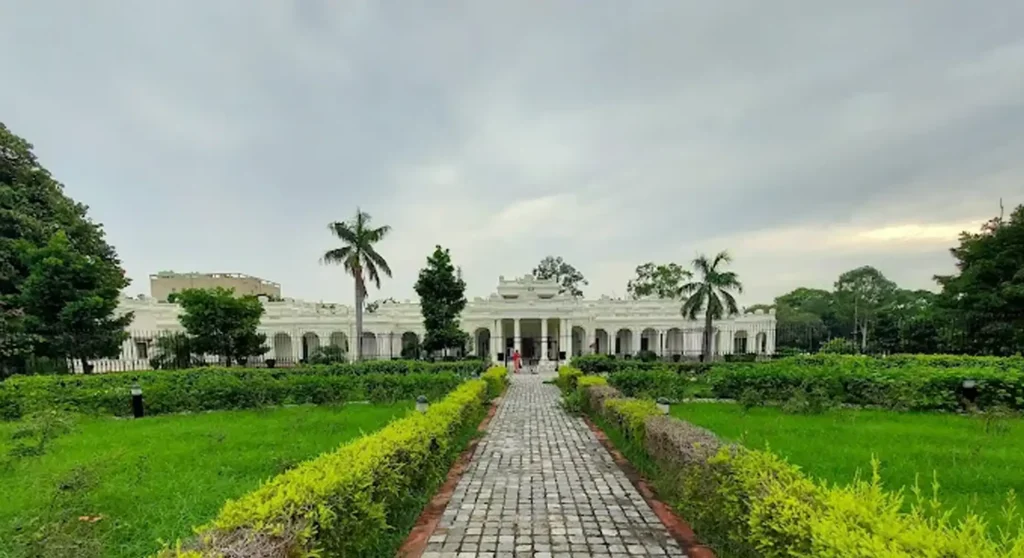
Delhi University North Campus Colleges
The cluster of Delhi University North Campus colleges is synonymous with intense academic competition, vibrant student politics and a classic “DU college life” feel. North Campus houses several of the founding colleges of DU and is home to well‑known institutions such as Hindu College, Miranda House, St. Stephen’s College, Hansraj College, Ramjas College, Delhi School of Economics and others.
Many of these colleges regularly rank among the top institutions in India for undergraduate arts, commerce and science programs, and they attract some of the highest cut‑offs during admissions. The campus infrastructure includes libraries, hostels, sports facilities and cultural spaces, creating a dense academic and social environment within a compact geographical zone.
North Campus is also closely connected to the Delhi Metro network and city bus routes, making it easily accessible from various parts of Delhi. The high concentration of cafés, paying guest accommodations and coaching centers around the area has turned it into a full‑fledged student hub, adding to the aspirational value of securing admission in a North Campus college.
Delhi University South Campus
The Delhi University South Campus was established in the 1970s and moved to its current location on Benito Juarez Marg near Dhaula Kuan in the 1980s, covering a sizable green campus. It was developed to cater to students living in the southern parts of Delhi and to distribute DU’s academic infrastructure more evenly across the city.
South Campus today hosts several reputed colleges offering courses in arts, science and commerce, along with postgraduate departments and research centers. Colleges associated with the South Campus zone include institutions like Lady Shri Ram College, Gargi College, Sri Venkateswara College, Dyal Singh College, Shaheed Bhagat Singh College, College of Vocational Studies and others.
The environment in South Campus is often described as more relaxed and green compared to the congested lanes of North Campus, though both campuses maintain strong academic standards and vibrant student communities. Like North Campus, South Campus is also well connected through Delhi’s public transport network and offers hostels, libraries and student support facilities for both undergraduates and postgraduates.
Delhi University Colleges and Off‑Campus Institutions
Beyond North and South Campus clusters, there are numerous Delhi University colleges located across East, West and central Delhi, often referred to collectively as off‑campus colleges. These colleges are fully affiliated to DU, follow its curricula and examination system, and award degrees under the University of Delhi.
Well‑known off‑campus colleges include institutions like Zakir Husain Delhi College, Deen Dayal Upadhyaya College, Delhi College of Arts and Commerce, Bharti College, Motilal Nehru College and many others spread across various localities. Some of these colleges have relocated to new, modern campuses in areas like Dwarka and have built updated infrastructure for classrooms, labs and hostels.
Academically, off‑campus colleges offer similar DU‑approved courses as the more famous North and South Campus institutions, and in many disciplines they provide comparable teaching standards and placement opportunities. For students focused on quality education rather than just “brand name,” these colleges can be excellent choices with slightly lower cut‑offs and a more localized campus environment.
Aditi Mahavidyalaya University of Delhi
Aditi Mahavidyalaya (University of Delhi) is a women’s college affiliated to the University of Delhi, located in the northwest region of the city. It aims to provide higher education opportunities to women, particularly from semi‑urban and rural backgrounds, thereby expanding access beyond the traditional core city campuses.
The college offers a range of undergraduate programs in arts, commerce and vocational studies, aligning with DU’s curriculum and examination framework. Over the years, Aditi Mahavidyalaya has developed academic facilities, extracurricular societies and support services that help students build both subject knowledge and soft skills.
Being part of the DU ecosystem, graduates of Aditi Mahavidyalaya earn University of Delhi degrees and can access opportunities for higher studies and competitive exams on equal footing with students from other DU colleges. For aspirants in north‑western Delhi or those seeking a women‑only environment under DU, this college is a significant option worth researching during the application phase.
Courses and Streams at Delhi University
Delhi University offers an extensive variety of programs, with some sources listing more than 500 courses across multiple levels and streams. At the undergraduate level, popular degrees include BA (Hons), BSc (Hons), BCom (Hons), BCom Programme, BSc Programme, BBA, BMS and various vocational and professional courses.
Postgraduate programs at DU cover disciplines like MA, MSc, MCom, MBA, LLM, MTech and specialized master’s courses in areas such as economics, social work, education and international relations. The university also offers research opportunities through MPhil and PhD programs in numerous subjects, managed by its departments and research centers.
In addition, DU schools such as the Delhi School of Economics and Delhi School of Social Work hold strong reputations for postgraduate teaching and research. Many colleges also run add‑on certificate and diploma programs in foreign languages, media, entrepreneurship and skill‑development areas, giving students options to enhance their profiles alongside regular degree courses.
Delhi University Admission 2021 (Pattern and Relevance)
The phrase “Delhi University admission 2021” still receives search traffic because aspirants often look up previous years’ admission patterns, cut‑offs and processes to understand trends. In recent admission cycles, DU has largely moved away from pure class‑12 percentage‑based cut‑offs and now relies heavily on centralized entrance tests like CUET (Common University Entrance Test) for many undergraduate programs.
In 2021, admissions were still primarily governed by class‑12 board percentages for most undergraduate courses, with colleges releasing multiple cut‑off lists and students applying and locking seats accordingly. Over time, the system has evolved into a more centralized portal‑based process (for example, CSAS portal) where students fill preferences and admission is granted based on entrance scores and seat availability.
While exact processes and dates change each year, reviewing the 2021 and subsequent admission cycles helps aspirants estimate the competitiveness of courses, understand documentation requirements and plan subject combinations well in advance. Always refer to the official DU admission portal for the current year for the latest rules, eligibility and timelines.
How Can I Get Admission in Delhi University?
The question “How can I get admission in Delhi University?” is central for every DU aspirant. Admission steps differ slightly between undergraduate, postgraduate and professional programs, but there are some broad stages that most applicants follow.
For undergraduate courses, candidates now typically have to appear for the Common University Entrance Test (CUET) or the entrance mechanism notified for the specific year. Based on CUET or other prescribed scores, students register on DU’s centralized admission portal (such as CSAS) where they fill in their personal details, academic records and preference list of colleges and courses. The university then allocates seats in rounds, considering entrance scores, category, reservation rules and available seats, after which applicants must accept the seat, verify documents and pay the admission fee within timelines.
For postgraduate or professional programs like MBA, LLB or specialized master’s, admission may be based on national tests, DU‑specific tests, or a combination of test scores, group discussions and interviews. Applicants should carefully read each department or college’s prospectus to understand eligibility criteria, required entrance exams, minimum percentages and any subject‑specific prerequisites. Regularly checking the official admission website ensures that students remain updated about notifications, schedules and any changes in process.
Ambedkar University Delhi (Dr B R Ambedkar University Delhi)
Ambedkar University Delhi, officially known as Dr B. R. Ambedkar University Delhi (AUD), is a separate public university established by the Government of the NCT of Delhi in 2007. It is different from Delhi University but often appears in similar searches because both institutions are located in Delhi and cater to overlapping aspirant pools.
AUD functions as a unitary, non‑affiliating university with a strong focus on the humanities and social sciences, and it is recognized by the UGC and accredited with a good NAAC grade. The university operates multiple campuses, including Kashmere Gate, Karampura and Lodhi Road, with upcoming campuses being developed in Rohini and Dheerpur.
Ambedkar University emphasizes interdisciplinary learning, research and community engagement, and houses well‑equipped classrooms, libraries, laboratories and student facilities. It offers a variety of undergraduate, postgraduate and doctoral programs across fields such as management, design, arts, social sciences and public health. For students interested in smaller class sizes and focused social science education, AUD is a strong alternative to conventional DU colleges.
Courses and Programs at Ambedkar University Delhi
The Dr B R Ambedkar University Delhi offers a structured portfolio of courses at the UG, PG and doctoral levels. At the undergraduate level, popular programs include BA in various social science and humanities disciplines, BVoc and BBA, with curricula that often integrate fieldwork and interdisciplinary perspectives.
At the postgraduate level, AUD offers degrees such as MA, MBA, MDes, MVoc, MPH and other specialized master’s programs. These programs cover areas like economics, urban studies, gender studies, performance studies, English, history, criminology, development practice and design, among others.
Doctoral programs at Ambedkar University span multiple research areas, giving scholars an opportunity to work on contemporary issues in social sciences and related disciplines. The institution also focuses on experiential learning and often includes internships, projects and community‑oriented work as part of its curricula. For Delhi‑based aspirants, AUD has become a prominent name alongside DU for higher studies in humanities and social sciences.
Delhi Technological University (Delhi Technological University)
Delhi Technological University (DTU), formerly known as Delhi College of Engineering, is a leading technical university in Delhi that is often compared with DU in engineering and technology discussions. While DU is a central university with a broad multi‑disciplinary profile, DTU is a specialized state university focused on engineering, technology and applied sciences.
DTU offers undergraduate, postgraduate and doctoral programs in engineering branches such as computer science, electronics, mechanical, civil, electrical and newer technology domains, along with programs in management and allied sciences. It is known for its strong placement record, industry collaborations, research output and vibrant technical societies.
From an aspirant’s perspective, DTU and DU serve different academic goals—students looking for engineering as a primary career path often prioritize DTU or similar technical universities, while those aiming for arts, commerce, science, law or social sciences tend to focus on DU colleges. Search queries like “Delhi University vs Delhi Technological University” typically revolve around this difference in institutional type, course offerings and admission tests.
Indira Gandhi Delhi Technical University for Women
Indira Gandhi Delhi Technical University for Women (IGDTUW) is a specialized technical university in Delhi dedicated exclusively to women, and it frequently appears in lists of top institutions in the capital. Established by the Government of Delhi, IGDTUW focuses on engineering, technology, architecture and applied sciences, with the goal of promoting women’s participation in technical fields.
The university offers BTech, MTech, BArch and other programs in engineering and allied disciplines, along with some management and applied science courses. Its campus provides modern laboratories, hostels, libraries and innovation centers tailored to technical education requirements.
Although IGDTUW is not part of Delhi University, it is often evaluated by the same aspirant group that considers DU, DTU and other Delhi‑based higher education institutions. For female students seeking a women‑centric environment in engineering and technology with strong placements, IGDTUW is a significant option to consider alongside central and state universities in Delhi.
National Law University Delhi
National Law University Delhi (NLU Delhi) is a premier national law university located in the capital, distinct from DU but often researched by the same pool of aspirants interested in law. It was established with the aim of providing high‑quality legal education and research, similar in stature to other National Law Universities across India.
NLU Delhi offers integrated BA LLB (Hons), LLM, PhD and various diploma or certificate programs in law and allied domains. Admissions to its flagship BA LLB program are typically conducted through its own entrance exam (such as AILET), and the university is highly competitive due to limited seats and high demand.
In comparison with Delhi University’s Faculty of Law, which offers LLB and LLM programs under a central university framework, NLU Delhi operates as an autonomous national law university with its own governance and curriculum. Aspirants should compare entrance tests, fee structures, campus environment and long‑term goals while choosing between DU Law Faculty and NLU Delhi.
Delhi Pharmaceutical Sciences and Research University
Delhi Pharmaceutical Sciences and Research University (DPSRU) is a specialized university in Delhi focusing primarily on pharmaceutical sciences, pharmacy education and related research. It emerged from the Delhi Institute of Pharmaceutical Sciences & Research (DIPSAR) and has since developed into a full‑fledged university dedicated to the pharmaceutical sector.
DPSRU offers undergraduate, postgraduate and doctoral programs in pharmacy, pharmaceutical sciences and allied fields. This includes degrees like BPharm, MPharm, PharmD and research programs that cater to students interested in drug development, clinical research, regulatory affairs and pharmaceutical management.
Though separate from DU, DPSRU appears in searches such as “Delhi pharmaceutical sciences and research university” alongside Delhi University because both are prominent Delhi‑based public institutions. For aspirants specifically focused on pharmacy and pharmaceutical research, DPSRU provides a more specialized path compared to general science degrees in DU.
Delhi University Student Life and Campus Culture
Student life at Delhi University is widely celebrated in popular culture, media and alumni narratives. DU’s campuses and colleges host numerous student societies and clubs, including cultural, theatrical, debating, literary, music, dance, photography and entrepreneurship groups.
Annual college festivals and the larger DU fest circuit create an energetic environment where students from various colleges participate in competitions, concerts and informal events. Political engagement through student unions and elections is also a prominent feature of DU’s campus culture, particularly in North Campus colleges.
Hostel life, PG accommodations and nearby market areas form another crucial part of the student experience, with food, cafés and bookstores around both North and South Campus zones. For many alumni, DU is remembered not only for academic rigor but also for the personal and social growth that occurs through this vibrant campus ecosystem.
Placements and Career Opportunities from Delhi University
Delhi University has a strong reputation for employability and placements, especially in disciplines like commerce, economics, management, sciences and some professional courses. Many DU colleges run dedicated placement cells that coordinate with companies for campus recruitment, internships and training workshops.
Top recruiters from sectors such as consulting, finance, FMCG, analytics, IT services, media and start‑ups regularly visit premier DU colleges. Average and peak salary packages vary by college, course and year, but several colleges report competitive packages comparable to other reputed institutions across India.
Beyond direct campus placements, DU’s strong alumni network and brand recognition help graduates secure opportunities in civil services, higher education abroad, research roles and entrepreneurial ventures. The flexibility of DU degrees, especially in arts and social sciences, also allows students to pivot into diverse careers with proper skill development and internships.
Frequently Asked Questions About Delhi University
Is Delhi University a central university?
Yes, the University of Delhi is a central university established by an Act of the Central Legislative Assembly and funded under the central government framework. It is recognized by the UGC and enjoys Institute of Eminence status and strong national rankings, which further solidify its central and premier position in Indian higher education.
How can I get admission in Delhi University?
To get admission in Delhi University, candidates generally need to appear for the prescribed entrance test (such as CUET for many UG courses) and then apply through DU’s centralized admission portal. Based on entrance scores, category and preferences, seats are allocated in rounds, after which students must confirm admission by document verification and fee payment within announced deadlines.
Conclusion: Choosing the Right University in Delhi
Delhi offers a dense ecosystem of universities and institutes, with Delhi University at the center as a large multi‑disciplinary central university. Alongside DU, institutions like Dr B R Ambedkar University Delhi, Delhi Technological University, Indira Gandhi Delhi Technical University for Women, National Law University Delhi and Delhi Pharmaceutical Sciences and Research University provide specialized options across humanities, engineering, law, women’s technical education and pharmacy.
Aspirants should begin by clarifying their preferred discipline—arts, commerce, science, engineering, law, pharmacy or social sciences—and then study the specific eligibility, entrance exams and course structures of the relevant universities. Comparing campuses, student life, placements and long‑term prospects will help in making an informed decision that aligns academic interests with career goals in the dynamic higher education landscape of Delhi.